-
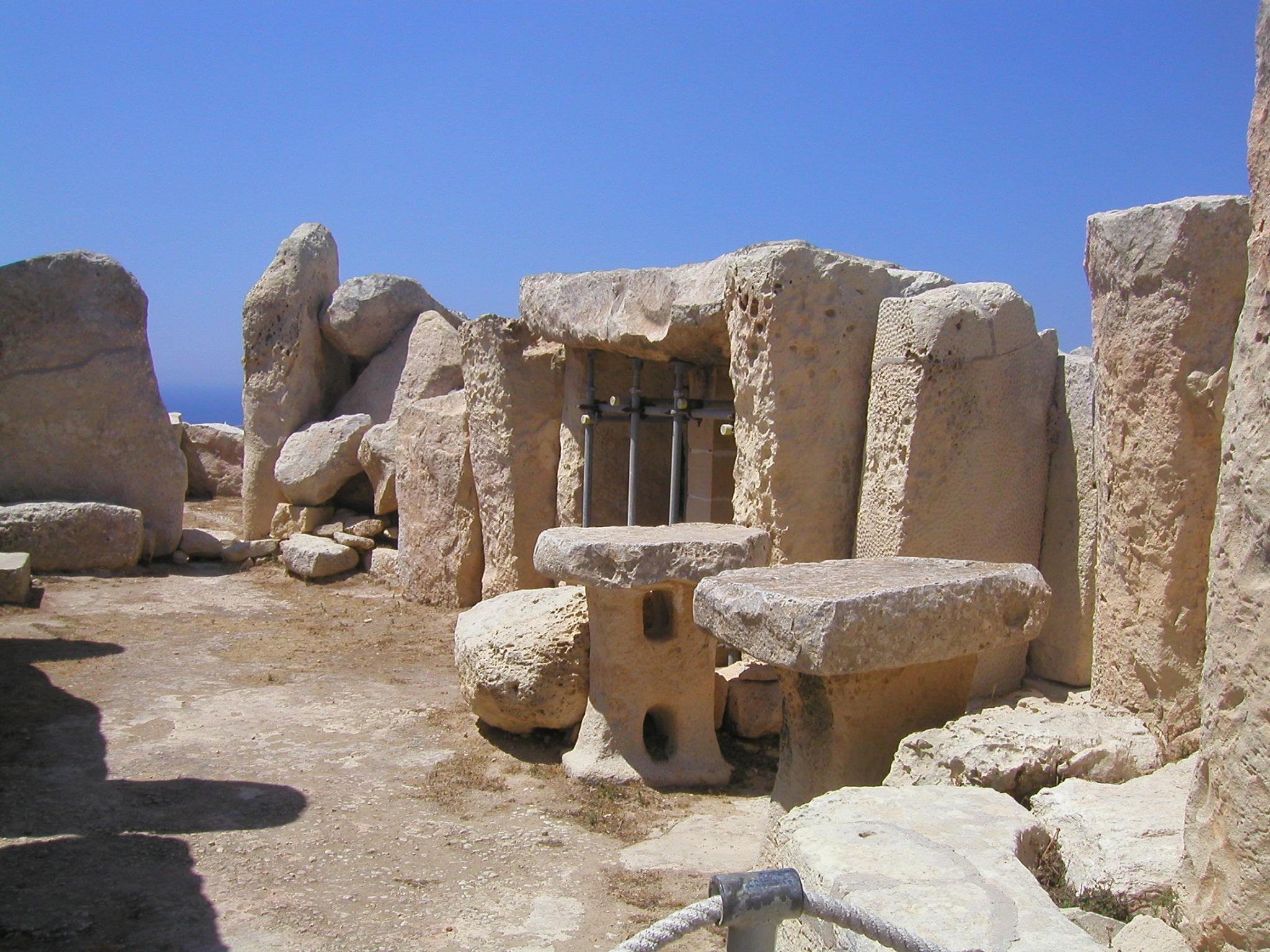
 Continue reading →: Atlantis and the Atlantic Islands – The Azores
This post is part of the series “Atlantis Is Everywhere,” which explores the myth of Atlantis and its varied geographical associations. Rather than settling on one location, it examines how these interpretations emerged, the evidence cited, and contemporary understandings. The series highlights the fluidity of the Atlantis narrative throughout history.
-
 Continue reading →: There Are No Quasicrystals
When Dan Shechtman observed a crystal structure that violated established definitions, the response was ridicule rather than investigation. This essay explores how definitions enforce consensus — and what happens when reality refuses to comply.
-
 Continue reading →: Atlantis Is Everywhere: A Series About a Traveling Myth
This post is part of the series “Atlantis Is Everywhere,” which explores the myth of Atlantis and its varied geographical associations. Rather than settling on one location, it examines how these interpretations emerged, the evidence cited, and contemporary understandings. The series highlights the fluidity of the Atlantis narrative throughout history.
-
 Continue reading →: Atoms Were Once Metaphysical
This post belongs to Uncomfortable Conclusions, a series exploring moments in scientific history when well-supported ideas met resistance. This was not because the evidence was weak, but because the conclusions were institutionally uncomfortable. By the late nineteenth century, physics was an extraordinarily successful discipline. Thermodynamics described heat, work, and energy…
-
 Continue reading →: The Protein That Couldn’t Exist
Stanley Prusiner proposed that infectious diseases could be caused by proteins alone — without DNA or RNA. The idea was dismissed as impossible. This essay examines how claims of impossibility function as boundaries within scientific institutions.
-
 Continue reading →: The Bacteria Nobody Wanted
When Barry Marshall and Robin Warren proposed that ulcers were caused by bacteria, the idea conflicted with decades of medical practice. This essay examines how treatments that worked well enough delayed acceptance of a cure — and why evidence alone was not enough.
-
 Continue reading →: Before Clovis Was Allowed
Jacques Cinq-Mars uncovered evidence of human presence in the Americas thousands of years earlier than accepted models allowed. The data were careful and well-dated, but archaeology was not ready to revise its timeline. The resistance that followed reshaped the field.
-
 Continue reading →: The Silence That Followed
This post belongs to Uncomfortable Conclusions, a series exploring moments in scientific history when well-supported ideas met resistance. This was not because the evidence was weak, but because the conclusions were institutionally uncomfortable. In the early twentieth century, genetics was young and powerful, but also narrow in what it could…
-
 Continue reading →: The Paper They Wouldn’t Publish
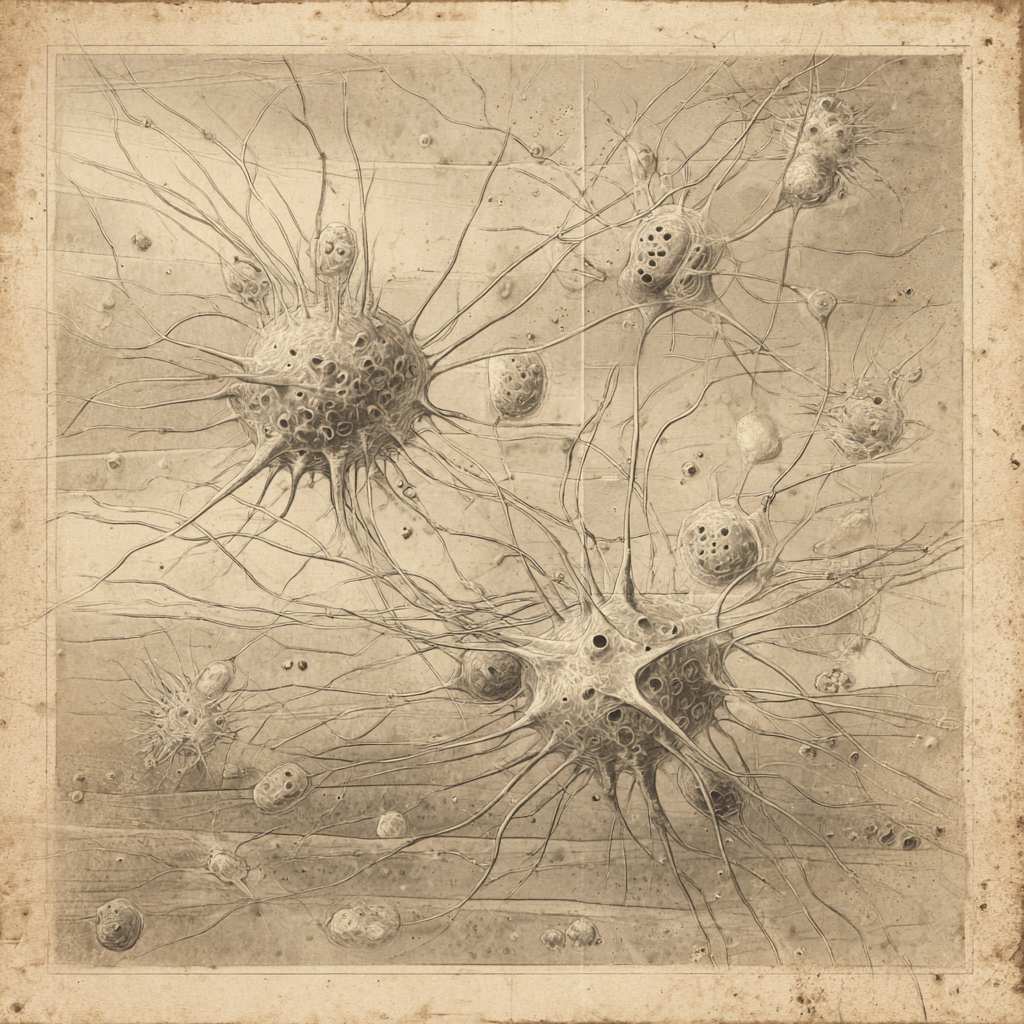
Lynn Margulis argued that complex cells evolved through cooperation, not just competition. Her evidence suggested merger rather than gradual refinement. The idea was rejected repeatedly — not because it lacked data, but because it disrupted how evolution was supposed to work.
-
 Continue reading →: When Continents Refused to Move
This post belongs to Uncomfortable Conclusions, a series exploring moments in scientific history when well-supported ideas met resistance. This was not because the evidence was weak, but because the conclusions were institutionally uncomfortable. At the beginning of the twentieth century, geology and geophysics were confident sciences. Continents were fixed. Mountain…
This blog is a combination of tech inspired posts, as well as content related to my writing pursuits in both fiction and non-fiction spaces. Story previews, scientific/historical studies, etc.