-
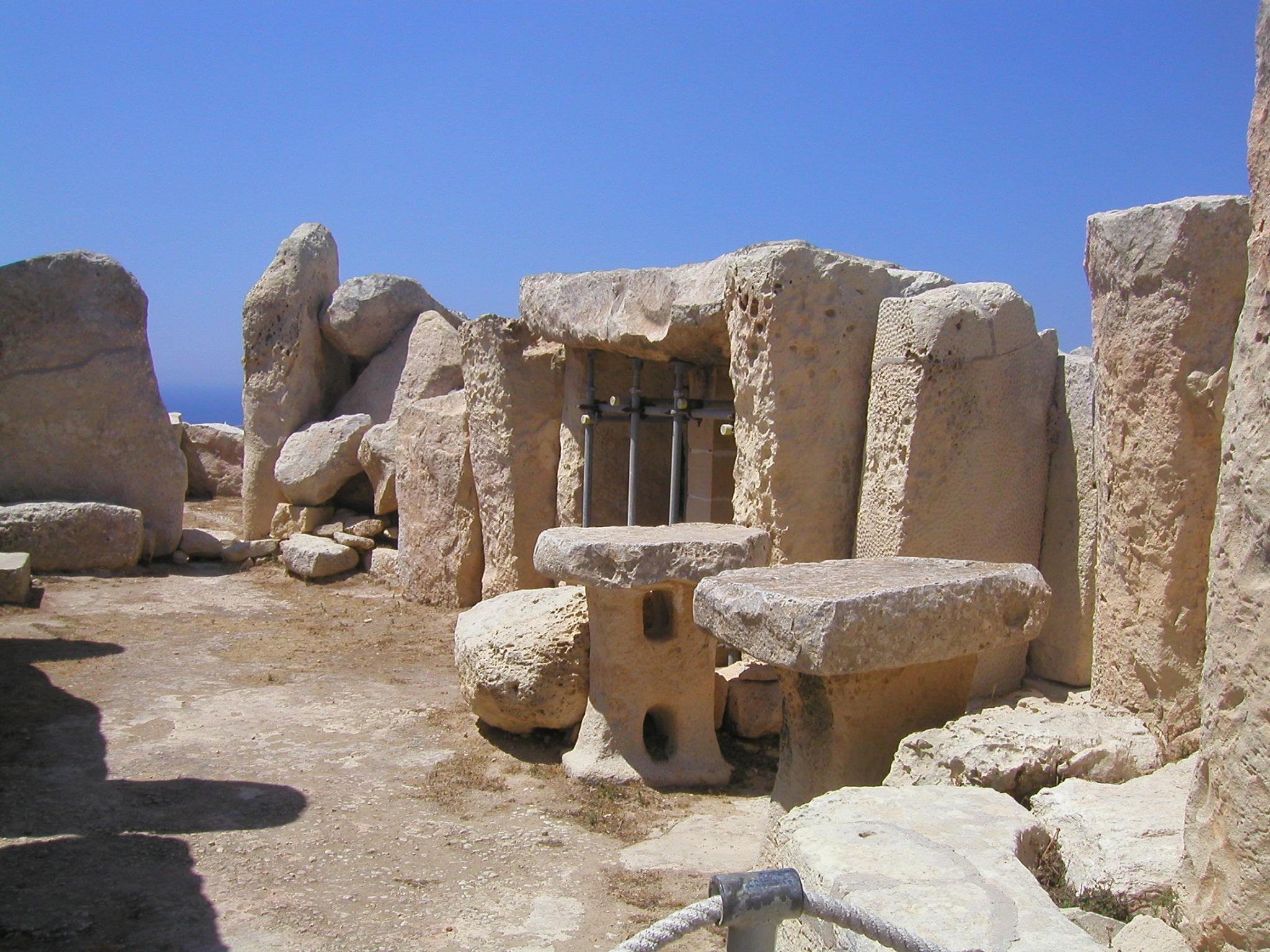
 Continue reading →: When Floods Were Unscientific
In the 1920s, J. Harlen Bretz proposed that a vast flood carved the Channeled Scablands. The evidence was visible, but catastrophe had become a forbidden explanation. This essay explores how geology’s identity shaped what it was willing to see.
-
 Continue reading →: The Doctor Who Counted the Dead
In the mid-1800s, Ignaz Semmelweis identified a simple practice that dramatically reduced maternal deaths. The data were clear, but the implications were intolerable. Accepting his conclusion meant confronting professional responsibility at a time when medicine was not prepared to do so.
-
 Continue reading →: Uncomfortable Conclusions: The Lesson We Pretend We Learned
This post belongs to Uncomfortable Conclusions, a series exploring moments in scientific history when well-supported ideas met resistance. This was not because the evidence was weak, but because the conclusions were institutionally uncomfortable. In the early seventeenth century, Galileo Galilei was not trying to overturn the world. He was a…
-
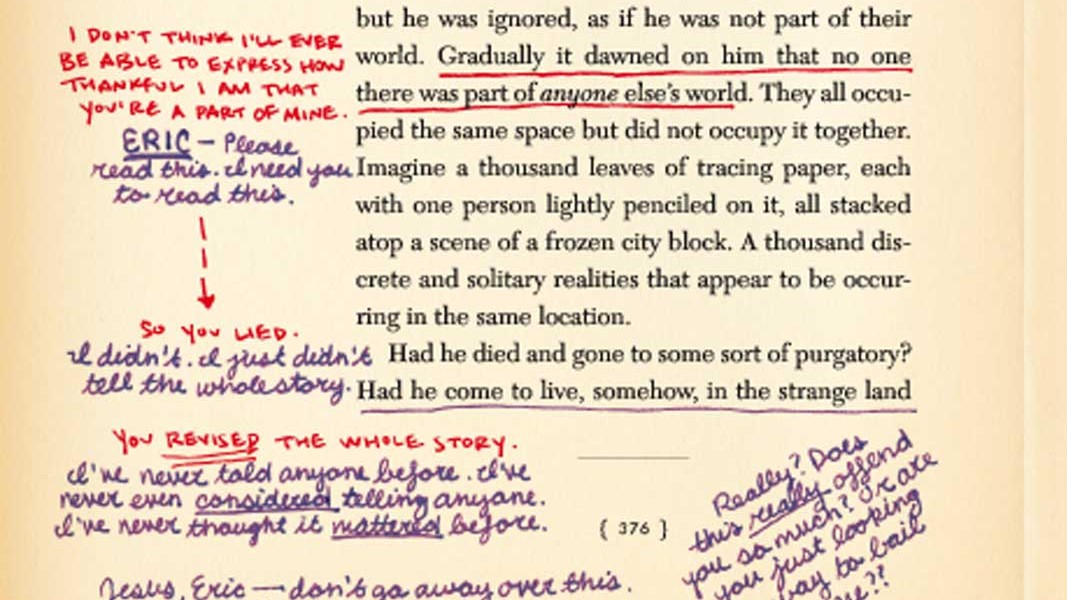 Continue reading →: Uncomfortable Conclusions: An Introduction
Some ideas fail because they are wrong. Others fail because their conclusions arrive before institutions are ready to accept them. This series explores moments in scientific history when resistance mattered more than evidence.
-
 Continue reading →: Transforming Development with GitHub Copilot and Mermaid – Final
December 12, 2025 From Zero to Full-Stack Application The Challenge Have you ever wondered what it’s like to build a complete, production-ready application using AI-powered development tools? In this blog series, I’ll take you through my journey of recreating a fully functional Trello clone using GitHub Copilot (using the VSCode…
-
 Continue reading →: Getting the Most Out of AI: Tips, Tricks, and Settings That Actually Matter
So, you’ve picked your AI tool of choice, maybe it’s GPT-4, Claude, Gemini, Copilot, or one of the open-weight models. Great.But here’s the thing: even the smartest model can give you mediocre answers if you don’t know how to talk to it. Think of this as your AI onboarding session.…
-
 Continue reading →: AI Tools and Models: Which One Should You Actually Use?
AI is everywhere right now. Every week there’s a new model, a new tool, or a new “Copilot” for something. Blog posts, YouTube explainers, and endless Twitter threads are already tripping over each other to cover them all. So why bother adding my own “me too” voice into the noise?…
-
 Continue reading →: Reverse Engineering Code with Mermaid.js (and a Little AI Help)
Documentation woes If you’ve ever inherited a codebase, you know the feeling: no documentation, a tangle of functions, and maybe a half-finished diagram from five years ago buried in a Confluence page. Its either a minor hassle, or a huge mess. But there’s a faster way. With Mermaid.js, you can…
-
Continue reading →: Transforming Development with Mermaid Diagrams and GitHub Copilot Part 2
*This is Part 2 of the series on building a Production ready application with Copilot and Mermaid. In Part 1, we built the basic functionality with drag-and-drop. In this second session the intent was to setup identity providers/auth and a persistent storage system. This… is not the way things worked…
-
Continue reading →: Transforming Development with Mermaid Diagrams and GitHub Copilot Part 1
August 13, 2025 From Zero to Full-Stack Application The Challenge Have you ever wondered what it’s like to build a complete, production-ready application using AI-powered development tools? In this blog series, I’ll take you through my journey of recreating a fully functional Trello clone using GitHub Copilot (using the VSCode…
This blog is a combination of tech inspired posts, as well as content related to my writing pursuits in both fiction and non-fiction spaces. Story previews, scientific/historical studies, etc.